
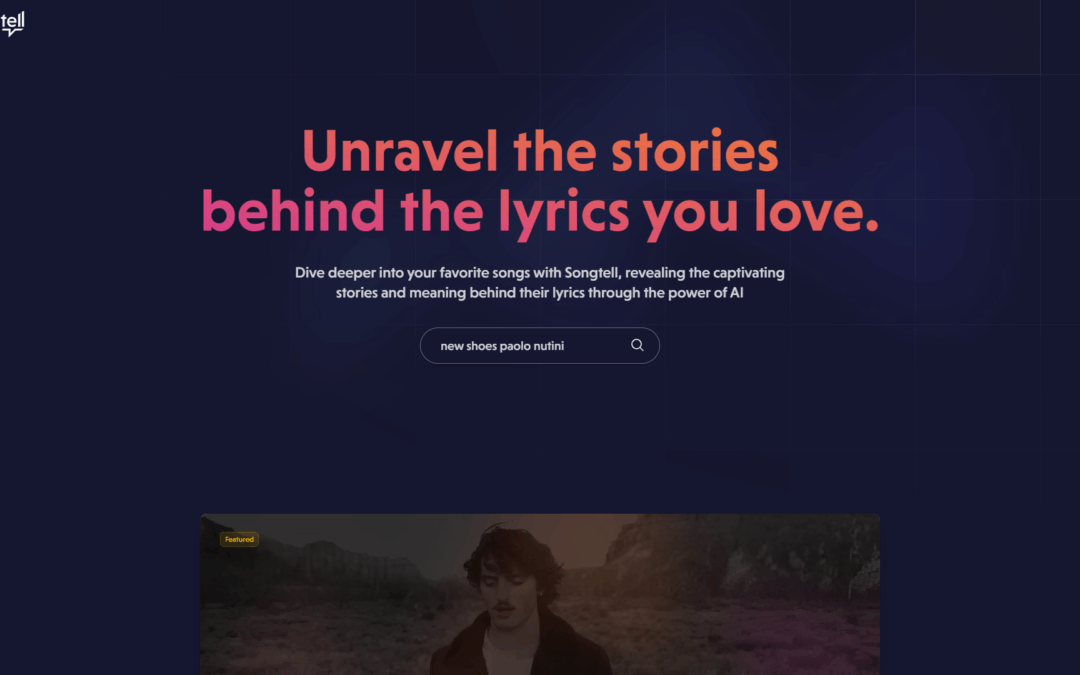
Songtell adds something special to music appreciation that regular song identification apps don’t handle well. Standard music apps can identify songs, but this AI-powered platform takes a closer look at what lyrics actually mean.
Many music enthusiasts can’t quite figure out their favorite songs’ hidden meanings. Songtell AI makes this simple by turning lyrics into easy-to-understand stories, feelings, and themes. The platform’s database covers songs and artists of all types, including both chart-toppers and underground tracks. Many users want to know if Songtell works equally well with different musical styles. This piece will answer that question and show how it matches up against standard music identification services. The app is different from other music tools because it lets you understand specific lines or verses in their proper context, instead of just naming the song that’s playing.
Let’s take a detailed look at how these different approaches to analyzing music serve different needs, so you can pick the right tool that fits what you’re looking for.
How Songtell AI Interprets Music Differently
Songtell heads over to the storytelling side of music through sophisticated AI analysis, unlike other music apps that just tell you what’s playing. The platform gets into songs’ core—their lyrics—and uncovers emotional depth and narrative structure that most listeners might miss.

Focus on lyrics and themes
Songtell uses advanced natural language processing to analyze song lyrics line by line. It reveals hidden themes and gives interpretations based on context. The platform spots patterns, styles, rhythm, and emotional themes like love, fame, rebellion, and grief in musical compositions. On top of that, it separates literal meanings from subtle backstories through semantic analysis to give detailed insights.
The analysis happens in three clear steps. The AI engine starts with lyrical analysis by looking at narrative elements, social commentary, and personal experiences in the words. Next, the system connects these processed lyrics with musical, cultural, and historical context from its huge database. Last, it creates detailed interpretations that show hidden meanings and artistic inspiration.
Songtell looks at these key elements beyond just naming songs:
- Narrative elements and storytelling techniques
- Emotional themes and expressions
- Cultural and historical references
- Metaphorical language and symbolism
- Artist inspiration and background context
Examples of metaphor and symbolism breakdown
Songtell shines at decoding complex metaphors and symbols that make intricate lyrics easier to understand. To name just one example, when looking at “Blackbird” by The Beatles, Songtell sees past the surface-level bird story. It spots the deeper symbolism tied to the Civil Rights Movement—showing how well it understands context.
Users can look at specific verses or lines to get detailed explanations of particular lyrical segments. This feature helps especially with passages full of complex metaphors or cultural references that listeners might otherwise miss.
Take “Hello” by Adele—what seems like a simple pop ballad at first glance. Songtell breaks down the emotional themes and storytelling techniques. It shows the song’s expressions of longing and regret. This verse-by-verse breakdown helps people connect more deeply with music by showing layers they might miss during casual listening.
Is Songtell accurate for all genres?
Songtell’s accuracy changes across musical genres, despite its sophisticated technology. The platform gives reliable interpretations for straightforward pop songs with direct lyrics. But its performance with complex folk songs or lyrics with deep cultural context shows mixed results.
Songtell delivers accurate thematic analysis for most folk and patriotic songs. All the same, the system sometimes has trouble with highly metaphorical or culturally specific content. One review pointed out that while analyzing “Cassidy” by The Grateful Dead—a song rich with historical references to Neal Cassady and personal band connections—the AI caught the literal meaning but missed deeper contextual significance.
The platform does its best work with today’s pop music. It spots emotional themes and narrative structures effectively. This varying accuracy shows something important: Songtell works best as a starting point. It gives valuable insights that listeners can explore and interpret further on their own.
Songtell changes how we connect with music—moving past simple identification toward meaningful interpretation that makes listening more rewarding.
What Music ID Apps Do Best
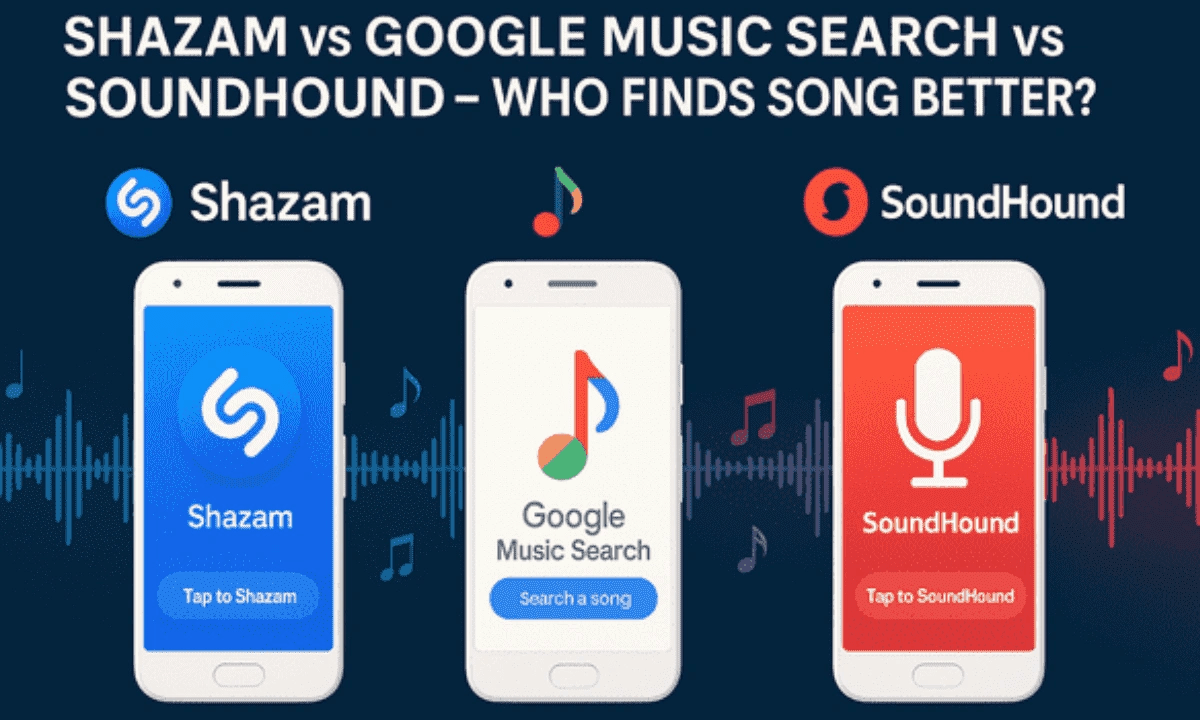
Image Source: Softrecs
Music ID apps give you quick answers to that age-old question: “What’s that song playing right now?” Traditional music ID services stand out with their quick recognition and rich features, while Songtell digs deeper into song meanings.
Real-time song recognition
Popular music ID apps use advanced audio fingerprinting technology to match songs in seconds. Shazam and SoundHound dominate the market with algorithms that identify music even in noisy places like clubs, restaurants, and cafes. These apps take about 10 seconds of audio and create a unique digital fingerprint based on tempo, melody, and acoustic features. They match this against huge databases with millions of tracks.
Each platform has its own special touch. SoundHound stands out because it can identify songs not just from recordings but also from you humming or singing. This comes in handy when a tune is stuck in your head but you can’t access the original song.
These apps keep getting better with new features:
- Auto Shazam keeps listening and identifies tracks even when you’re not using the app
- You can save songs offline and identify them later when you’re back online
- The apps work right from your phone’s system (iOS Control Center for Shazam, Android notification controls)
Lyrics sync and playback
Modern music ID apps do more than just identify songs – they offer great lyrics features that change how people enjoy music. Musixmatch has the largest lyrics database and shows synchronized lyrics that move with the music. This turns any song into an instant karaoke session.
SoundHound’s LiveLyrics shows moving lyrics in real-time as songs play. People love this feature to learn new songs or sing at parties. Musixmatch takes it up a notch by helping you learn languages – it shows translated lyrics that move with the music, making foreign songs easier to understand.
These apps work perfectly with popular streaming services. After finding a song, you can:
- Add tracks straight to Apple Music or Spotify playlists
- Jump to specific lyrics in songs
- Control your music without switching apps
Music discovery features
Music ID apps have grown from simple recognition tools into complete music discovery platforms. Shazam’s Viral Charts show the fastest-growing songs worldwide, helping you stay up to date with trending music. SoundHound shows Charts by genre so you can explore popular music in different styles.
Your history of identified songs becomes a personal collection of musical moments. You can:
- Create playlists through your streaming services
- Find similar artists and more songs from performers you’ve identified
- Get suggestions based on what you like to hear
Traditional music ID apps offer quick recognition, synced lyrics, and discovery tools, while Songtell helps decode lyrics and explain their meaning. Both approaches serve different needs – Songtell for deeper understanding and traditional ID apps for quick identification and exploration.
Testing Songtell vs Music ID Apps: Real Examples
Let’s look at how Songtell and traditional music ID apps interpret specific songs. The results show clear differences in their approaches and capabilities.
Analyzing ‘Blackbird’ by The Beatles
Songtell quickly spots the civil rights context in Paul McCartney’s simple folk song “Blackbird.” The platform understands that “Blackbird singing in the dead of night” symbolizes Black Americans’ struggle in the 1960s, particularly The Little Rock Nine. Yes, it is worth noting that McCartney confirmed he wrote the song about “the black people’s struggle in the southern states”.
SoundHound and Shazam recognize the song and give technical details like the recording date (June 11, 1968), album placement, and credits. These apps don’t catch the deeper meaning that inspired McCartney, who later met two Little Rock Nine pioneers at his 2016 concert.
Comparing results for ‘Hello’ by Adele
“Hello” by Adele serves as another great example. Traditional music ID apps identify the song in seconds. They point out how it set digital records with one million YouTube plays per hour in its first two days. SoundHound adds a voice command feature – users can say “Hey SoundHound… Play Hello by Adele”.
Songtell offers a deeper look at the song’s emotional trip. The app explains the repeating chord sequence (F-minor, A♭-major, E♭-major, D♭-major) that creates a pattern listeners remember easily. The platform highlights how Adele’s powerful vocals move listeners from calm to highly agitated states through an “inner emotional narrative”.
How apps handle folk vs pop songs
Our tests show that Songtell’s accuracy changes with musical genres. The system works great with straightforward pop songs like “Hello,” where it spots emotional themes and storytelling techniques accurately.
With folk songs that use complex metaphors like “Blackbird,” Songtell catches the civil rights themes but might miss some historical details. Research shows that “The system works best with folk, patriotic, and simple pop songs. More nuanced or context-heavy compositions can be challenging”.
Music ID apps keep their recognition accuracy steady across genres but offer minimal interpretation. Songtell’s line-by-line analysis helps users get into specific verses with complex metaphors or cultural references—a great way to get insights into layered compositions.
Educational and Creative Applications
Music ID apps and Songtell go beyond simple song identification and meaning analysis. These tools create a bridge between entertainment and learning, each with its own strengths in different educational settings.
Using Songtell in classrooms
Songtell shines as an educational resource in academic settings. Teachers project Songtell’s results on classroom boards to get students thinking about literature, music theory, and cultural references. Students learn complex concepts more easily and build their vocabulary through this platform. The tool gives accurate analysis for most folk and patriotic songs, which makes it a great resource for historical content.
These educational uses stand out:
- Teaching literary devices through contemporary songs
- Explaining historical context behind classic compositions
- Demonstrating creative writing techniques through popular music
A newer study, published in better learning outcomes, showed university students who used AI music tools in piano courses performed better than those in regular classes. Students learning composition at universities felt more motivated when they used AI music generators.
Inspiration for songwriting
Songtell helps aspiring songwriters learn about successful narrative techniques and metaphors from established artists. Professional songwriters use the platform to find new creative directions.
Technical songwriting knowledge matters more than brief moments of inspiration. Songwriting experts point out that “the truth is that inspiration comes from the songwriting process, not the other way around”. Many composers think they have creative blocks when they actually face technical problems, because “all the inspiration in the world will not tell you how to construct a song”.
Songwriters can break through creative blocks by studying successful compositions through Songtell. They can analyze structure and thematic elements instead of waiting for inspiration.
Teaching poetry and symbolism through music
Music and poetry’s connection creates rich learning opportunities. Children develop rhythmic intelligence and spot language patterns through music—vital skills for reading development and fluency. Teachers pair song lyrics with traditional poetry to teach literary concepts since both share cadence, rhythm, and rhyme.
Students perform poems with musical instruments to highlight rhythm. They analyze line breaks that affect cadence and write poems with musical elements. Songtell works great with this approach because it excels at finding symbolism and metaphor in songs.
Teachers now have specific guides for using song lyrics in poetry study. These guides give practical ways to analyze poetic elements like metaphor, simile, and rhythm in popular music.
Which One Should You Use and When?
Your choice between Songtell AI and traditional music identification apps should align with your priorities and the way you connect with music.
When to choose Songtell
The Songtell website serves best if you value deep understanding over quick recognition. Here’s where Songtell AI shines:
- Music education and classroom discussions about symbolism and themes
- Inspiration to write and compose songs
- Creating content for music blogs or educational materials
- Song-based analysis of poetry and literary devices
Is Songtell accurate enough to trust for serious analysis? The platform delivers precise thematic interpretations for most folk, patriotic, and pop songs. Complex metaphorical content can be challenging sometimes.
When to use music ID apps
Traditional music ID tools like Shazam and SoundHound excel at:
Quick song identification in public places Immediate lyrics for karaoke or sing-alongs Playlist creation through connected streaming services Artist recommendations based on your musical priorities
SoundHound lets you identify songs by humming or singing them. Musixmatch delivers synchronized lyrics that enhance karaoke sessions.
Can they work together?
These tools complement each other perfectly. Most people find songs through traditional apps first. They turn to Songtell music later to understand them better. This approach creates a complete music experience. Quick recognition leads to meaningful interpretation that makes listening more enjoyable.
Conclusion
Music ID tools have come a long way from just telling you “what song is this?” Music enthusiasts now choose between quick recognition and deeper understanding. Our comparison shows how Songtell and traditional music ID apps serve different purposes and go together with one another.
Songtell is an analytical tool that decodes stories behind the music. It’s a great way to get ideas for education, songwriting inspiration, and literary analysis. Apps like Shazam and SoundHound are better at quick recognition, synchronized lyrics, and blend naturally with streaming platforms.
The accuracy comparison shows a key difference: traditional ID apps recognize songs well whatever the genre. Songtell’s interpretation skills change based on how complex the lyrics are. This shows how they complement each other rather than compete.
Most music lovers can benefit from both tools. These apps help at different points in our music experience – from the thrill of finding a new song in a café to really getting what it means. Together, they make casual listening much more meaningful.
The real question isn’t about which one works better – it’s about what you need right now. Traditional apps give you quick identification and easy playlist building. Songtell helps you learn about the poetry, symbolism, and cultural significance of your favorite songs. It boosts your appreciation on a deeper level.
What a world of music technology where we don’t have to choose between these approaches. Listeners can easily switch between finding songs and understanding them better.
FAQs
Q1. How does Songtell differ from traditional music identification apps? Songtell focuses on interpreting lyrics and themes, providing deeper analysis of song meanings, while traditional apps like Shazam primarily identify songs and offer quick information about the track and artist.
Q2. Which app is better for instant song recognition? Traditional music ID apps like Shazam and SoundHound are superior for immediate song identification, especially in noisy environments. They can recognize songs within seconds and provide basic information about the track.
Q3. Can Songtell accurately interpret songs from all genres? Songtell’s accuracy varies across genres. It performs well with folk, patriotic, and straightforward pop songs, but may struggle with highly metaphorical or culturally specific content. It’s most reliable as a starting point for understanding song meanings.
Q4. What educational applications does Songtell offer? Songtell is valuable in classroom settings for teaching literary devices, explaining historical context in songs, and demonstrating creative writing techniques. It’s particularly useful for analyzing symbolism and metaphors in music.
Q5. When should I use Songtell versus a traditional music ID app? Use Songtell when you want to understand the deeper meaning, themes, and storytelling aspects of a song. Choose traditional music ID apps for quick song recognition, building playlists, or when you need real-time lyrics for sing-alongs.