Beyond Machine Blog
Insights on Data Science, AI Agents, Machine Learning, and Frontier Tech from Dr. Stylianos Kampakis & The Tesseract Academy
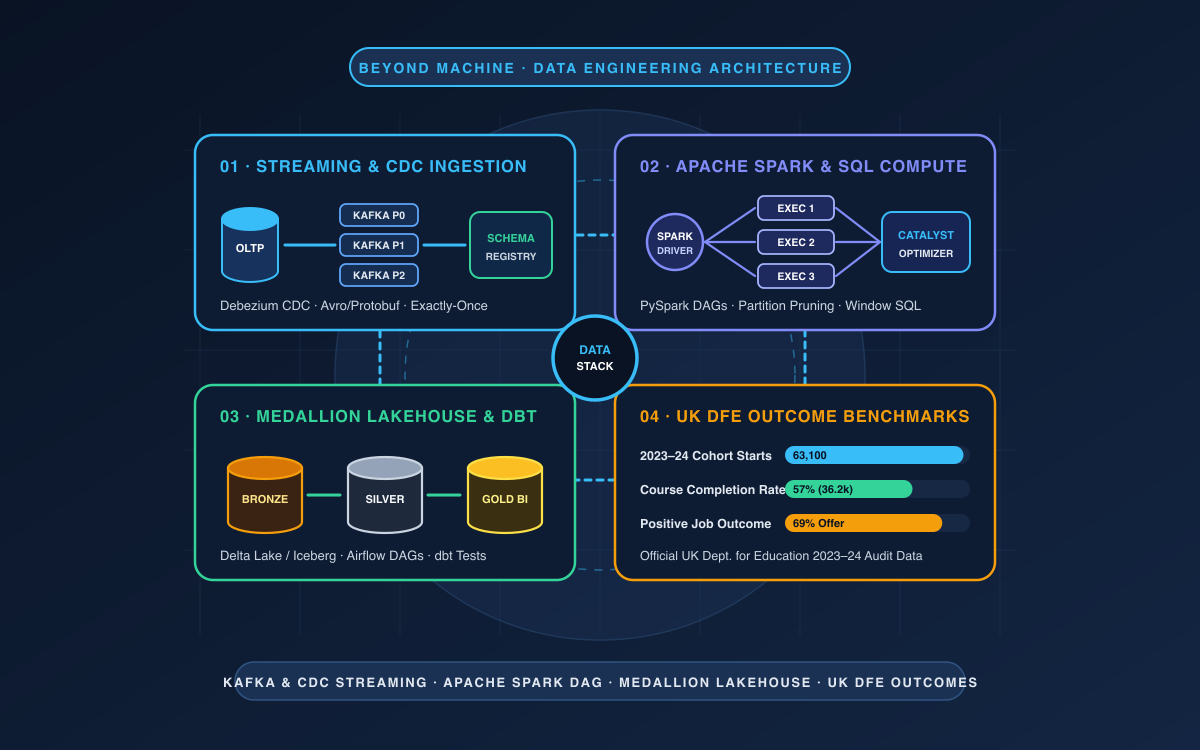
Data Engineering Bootcamps: Curricula, Official Performance Benchmarks, and Career Pathways
Understanding the Data Engineering Bootcamp Model A data engineering bootcamp is an intensive, skills-focused training pathway designed to prepare participants for building and maintaining data systems. Unlike open-ended academic qualifications, bootcamps are...
Docker Model Serving: A Reproducible FastAPI Deployment Guide and Checklist
Serving machine learning models in production requires structured packaging, controlled process lifecycles, and predictable runtime environments. Containerizing an application using Linux containers bundles application files, system runtimes, and dependencies into an...
How To Transition From Software Engineer To AI Engineer: The 2026 Executive & Technical Guide
By Dr. Stylianos Kampakis • Published: October 2026 • Category: Artificial Intelligence & Data Science • 11 min read Executive Takeaway: Transitioning from traditional software engineering to AI engineering in 2026 is fundamentally a cognitive shift...
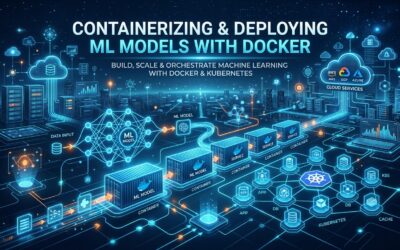
Containerizing and Deploying Machine Learning Models with Docker: From Prototype to Production
By Dr. Stylianos Kampakis • Published: October 2026 • Category: Artificial Intelligence & Data Science • 9 min read Executive Takeaway: Deploying machine learning models in production fails most often not because of model accuracy, but because of...
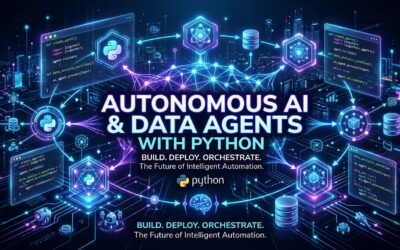
Building Your First Autonomous AI Agent with Python & LangChain: A Step-by-Step Guide
By Dr. Stylianos Kampakis • Published: October 2026 • Category: Artificial Intelligence & Data Science • 8 min read Executive Takeaway: An autonomous AI agent differs fundamentally from a traditional LLM prompt because it perceives an open-ended...
How to Transition from Data Analyst to AI Engineer in 2026: The Practical Roadmap
✍️ By Dr. Stylianos Kampakis 📅 Published: October 2026 🏷️ Category: Artificial Intelligence & Data Science ⏱️ 8 min read 💡 Executive Takeaway (Direct Answer for Searchers & Answer Engines) Transitioning from a data analyst to an AI engineer in 2026 requires...

How to Become a Data Scientist Step by Step Guide
How to Become a Data Scientist Many careers begin with a clear roadmap. People know which degree to earn, which skills to learn, and what experience employers expect before applying for a job. Data science feels different. The field combines programming, mathematics,...

Beyond the Code: What Data Scientists, ML Engineers and AI Practitioners Actually Do in the Age of AI Agents
Pratik Khedekar | Data Scientist When writing code is no longer the differentiator, everything else becomes the job Not long ago, being a strong coder was the foundation of every data and AI role. Your value was largely tied to how efficiently you could wrangle a...

Enterprise Data Integration with PostgreSQL CDC, Debezium, and Python Transactional Staging
Synchronizing high-throughput operational databases with analytical warehouses requires integration architectures that preserve transactional integrity while avoiding unnecessary source database load. Log-based Change Data Capture (CDC) decouples transactional...

Ziimp .com Markets: What Top Investors Are Watching in 2026
AI could affect about 300 million jobs worldwide over the next decade. ziimp.com markets are experiencing unprecedented shifts that just need investor attention then. Top investors are recalibrating their strategies to capitalize on emerging opportunities while...

Graph Telemetry and Sparse Representations for Multi-Agent Anomaly Detection
Modern collaborative systems—ranging from automated developer communities to multi-agent artificial intelligence topologies—rely on continuous message routing between autonomous entities. When coordinating multi-agent systems using frameworks like AutoGen, autonomous...

CHAS6D Explained: Building Intelligent Self-Adaptive Systems in 6 Dimensions
chas6d has emerged as an advanced architectural framework for creating intelligent and self-regulating systems. Traditional models rely on fixed rules. chas6d focuses on adaptability and self-improvement. It treats software not as a static product but as a living...